
If your child finds everyday activities like getting dressed, using a pencil, managing sensory experiences, playing with others, or participating at school more difficult than expected, you may have heard the term paediatric occupational therapy.
But what does a paediatric occupational therapist do?
A paediatric occupational therapist (OT) helps children develop and practise the skills they need to participate more confidently and independently in everyday life. This can include skills for play, learning, self-care, school participation, social interaction, emotional regulation, fine motor development, sensory processing and daily routines.
Occupational therapy for children is not simply about treating a particular condition. It focuses on what a child wants or needs to do in their everyday environment and identifies practical ways to support participation and independence.
What Is Paediatric Occupational Therapy?
Paediatric occupational therapy is a specialised area of occupational therapy focused on children and young people.
The word “occupation” does not only mean a job. For children, occupations can include activities such as:
- Playing and interacting with others
- Getting dressed
- Eating and using utensils
- Brushing teeth
- Toileting
- Writing and drawing
- Using scissors
- Participating in classroom activities
- Following routines
- Managing emotions
- Developing independence
- Taking part in family and community activities
A paediatric occupational therapist looks at the skills, environment and everyday activities that may be affecting a child’s participation.
The goal is to help children build functional skills and find practical strategies that support their participation at home, school and in other meaningful environments.
What Does a Paediatric Occupational Therapist Do?
So, what does a paediatric occupational therapist do in practice?
An OT first works to understand the individual child. This may involve talking with parents or carers, observing the child during activities, considering their strengths and challenges, and identifying areas where additional support may be useful.
Depending on the child’s needs, an occupational therapist may help with:
- Fine motor skills
- Gross motor skills and coordination
- Handwriting and pre-writing skills
- Sensory processing
- Emotional regulation
- Self-care and daily living skills
- Play skills
- Social participation
- School participation
- Attention and organisation
- Executive functioning
- Motor planning
- Independence
- Developmental skills
Rather than expecting every child to follow the same programme, paediatric OT support is generally tailored around the child’s individual goals and everyday needs.
What Can Occupational Therapists Help With?
Parents often ask, “What can an OT help with?”
The answer depends on the child’s individual needs. Occupational therapists can support children across many areas of development and everyday participation.
Fine Motor Skills
Fine motor skills involve using the smaller muscles of the hands and fingers with control and coordination.
Children may need support with:
- Holding and controlling a pencil
- Drawing and colouring
- Using scissors
- Manipulating small objects
- Buttoning and fastening clothes
- Opening containers
- Using cutlery
- Developing pre-writing skills
- Handwriting tasks
Occupational therapy activities can help children practise these skills through meaningful, age-appropriate activities.
Gross Motor Skills and Coordination
Gross motor skills involve larger body movements and whole-body coordination.
An occupational therapist may support children who experience difficulty with activities involving:
- Balance
- Coordination
- Body awareness
- Movement planning
- Postural control
- Playground activities
- Physical participation
- Coordinating movements during everyday tasks
These skills can contribute to a child’s ability to participate in play, school and daily activities.
Handwriting and School Skills
Some children may understand what they want to write but struggle with the physical process of writing.
A paediatric occupational therapist may look at factors such as:
- Pencil grasp
- Hand strength
- Fine motor control
- Letter formation
- Writing speed
- Visual-motor skills
- Sitting posture
- Coordination
- Ability to copy or reproduce shapes and letters
The aim is not simply to make handwriting look neater. The therapist considers the underlying skills that may be affecting the child’s ability to participate in classroom activities.
Sensory Processing and Regulation

Children experience and respond to sensory information in different ways.
Sensory information can come from:
- Touch
- Movement
- Sounds
- Sights
- Smells
- Taste
- Body position
- Movement and balance
Some children may become overwhelmed by certain sensations, while others may seek particular sensory experiences.
Sensory processing differences can sometimes affect a child’s ability to participate in everyday routines, learning, play or social situations.
A paediatric OT can assess how sensory factors may be affecting a child’s participation and, where appropriate, suggest practical strategies to support regulation and engagement.
Self-Care and Daily Living Skills
One of the important goals of children’s occupational therapy is helping children become more independent with everyday activities.
Depending on age and individual needs, this can include:
- Dressing
- Undressing
- Putting on shoes
- Brushing teeth
- Washing
- Toileting
- Eating
- Using utensils
- Managing personal belongings
- Following daily routines
An OT may break a difficult activity into smaller steps and help a child practise those steps gradually.
Play and Social Participation
Play is an important part of childhood development.
Children learn through play, and play can involve communication, movement, problem-solving, imagination, emotional regulation and social interaction.
An occupational therapist may support children who experience difficulty with:
- Joining games
- Taking turns
- Sharing
- Following rules
- Playing cooperatively
- Developing age-appropriate play skills
- Participating with peers
- Managing frustration during play
The focus is on helping the child participate in activities that are meaningful to them.
Emotional Regulation
Some children may find it difficult to recognise, communicate or manage their emotions.
An OT may help identify factors that contribute to difficulties with regulation and work with the child and their support network on practical strategies.
This may involve supporting skills related to:
- Recognising emotions
- Coping with frustration
- Managing transitions
- Following routines
- Participating in challenging activities
- Developing appropriate coping strategies
The specific approach should always be individualised to the child’s needs.
Executive Functioning, Attention and Organisation
Occupational therapists may also support children who find certain thinking and organisational tasks challenging.
Executive functioning can involve skills such as:
- Planning
- Starting a task
- Staying focused
- Remembering instructions
- Organising materials
- Managing time
- Moving between activities
- Completing multi-step tasks
These skills can influence how children participate in school, home routines and everyday activities.
Why Would a Child Need Occupational Therapy?
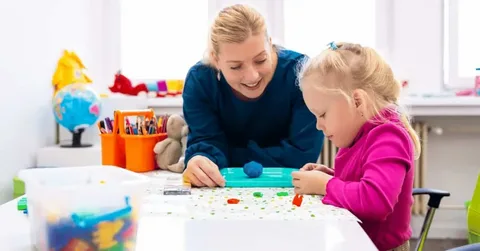
A child does not have to be “behind in everything” to benefit from occupational therapy.
You might consider seeking professional advice if your child consistently finds particular everyday activities difficult or if these difficulties are affecting their participation at home, school or in the community.
Examples may include a child who:
- Struggles with age-appropriate self-care
- Finds handwriting particularly challenging
- Has difficulty using scissors, pencils or other classroom tools
- Experiences ongoing difficulties with coordination
- Finds certain sensory experiences overwhelming
- Has difficulty participating in play
- Struggles with transitions or routines
- Has difficulty managing everyday tasks independently
- Finds attention, planning or organisation challenging
- Experiences developmental difficulties that affect everyday participation
These signs do not automatically mean that a child needs occupational therapy. A qualified professional can help determine whether an assessment is appropriate.
Occupational Therapy for Toddlers and Young Children
Early childhood occupational therapy can support young children as they develop skills needed for everyday activities.
For toddlers and preschool-aged children, this may include areas such as:
- Fine motor development
- Gross motor development
- Play
- Feeding-related skills
- Self-care
- Sensory processing
- Communication and participation
- Following routines
- Early independence
- Motor planning
For young children, therapy can often be incorporated into engaging, age-appropriate activities rather than feeling like formal “exercise”.
The focus should be on meaningful skills that help the child participate in everyday childhood experiences.
Occupational Therapy and Early Intervention
Early intervention occupational therapy focuses on identifying functional difficulties and supporting children as early as appropriate.
Early support may be particularly valuable when developmental or functional difficulties are affecting a child’s participation in everyday routines.
The exact support required depends on the child, their developmental stage, strengths, environment and goals.
Parents should speak with an appropriately qualified health professional if they have concerns about their child’s development or everyday participation.
Occupational Therapy for Children With Autism
Occupational therapy may form part of the support team for some autistic children.
The focus should not be on changing who a child is. Instead, OT can focus on functional goals and participation, depending on the child’s individual needs.
Possible areas of support may include:
- Sensory processing
- Self-care
- Daily routines
- Play
- School participation
- Motor skills
- Emotional regulation
- Independence
- Environmental adaptations
A paediatric occupational therapist can work with the child and their family to identify practical goals that are meaningful to them.
What Happens During a Paediatric Occupational Therapy Assessment?
Parents sometimes feel unsure about what to expect from an occupational therapy assessment.
An assessment typically begins by understanding the child’s history, strengths, concerns and everyday routines.
Depending on the child’s needs, an OT may consider:
- Parent or carer concerns
What difficulties are being noticed at home, school or elsewhere? - Everyday participation
Which activities are difficult, and how are those difficulties affecting the child? - Observation and assessment
The therapist may observe or assess relevant skills and activities. - Strengths and challenges
The therapist considers what the child can already do and where additional support may be useful. - Goals
Functional goals can be developed around meaningful activities. - Recommendations
The therapist may suggest strategies, activities, environmental changes or further support depending on the assessment.
The exact assessment process varies depending on the child’s age, needs and reason for referral.
What Happens During Occupational Therapy Sessions?
There is no single occupational therapy session that works for every child.
Sessions may involve activities selected around the child’s individual goals. Depending on their needs, these could involve:
- Fine motor activities
- Handwriting or pre-writing tasks
- Play-based activities
- Self-care practice
- Coordination activities
- Sensory-based strategies
- Problem-solving activities
- Functional daily tasks
- Activities that support participation at school or home
For children, therapy can be engaging and meaningful because skills are often practised through activities that relate to their everyday lives.
How Can Parents Support Occupational Therapy at Home?

Parents and carers can play an important role in helping children practise skills outside therapy sessions.
Depending on the therapist’s recommendations, this may involve:
- Practising skills during normal routines
- Giving children opportunities to complete age-appropriate tasks independently
- Using strategies recommended by the therapist
- Celebrating progress rather than focusing only on mistakes
- Communicating changes or concerns with the therapy team
- Working consistently on functional goals
Parents should follow individual recommendations from their child’s occupational therapist rather than applying generic therapy exercises without professional guidance.
Does Every Child Need a Diagnosis to See an Occupational Therapist?
Not necessarily.
Whether an assessment or therapy is appropriate depends on the individual child’s needs, concerns and circumstances.
Parents who are concerned about their child’s development, participation or everyday skills can discuss their concerns with an appropriately qualified health professional to determine whether an occupational therapy assessment may be useful.
Is Occupational Therapy Only for Children With Disabilities?
No.
Paediatric occupational therapy can support children with a wide range of developmental, functional, sensory, motor, learning and participation needs.
The important question is not simply whether a child has a particular diagnosis.
It is:
Are difficulties affecting the child’s ability to participate in meaningful everyday activities?
A qualified occupational therapist can assess the child’s individual circumstances and determine what type of support may be appropriate.
How Is Paediatric Occupational Therapy Different From Adult OT?
The principles of occupational therapy remain focused on participation and meaningful everyday activities, but the activities and goals can look very different for children.
For a child, occupations may include:
- Playing
- Learning
- Going to school
- Developing self-care
- Interacting with peers
- Completing daily routines
- Building independence
For adults, occupations may be more focused on areas such as work, household responsibilities, community participation and independent living.
Paediatric OT therefore considers the child’s developmental stage and the environments in which they live, learn and play.
When Should You Consider a Paediatric OT Assessment?
Consider discussing your concerns with a qualified professional if your child’s difficulties are persistent and are affecting their everyday participation.
For example, you may want to seek advice if you notice ongoing difficulties with:
- Fine motor skills
- Handwriting
- Self-care
- Coordination
- Sensory processing
- Emotional regulation
- School participation
- Play
- Independence
- Daily routines
You do not need to diagnose your child yourself. A professional assessment can help clarify what may be contributing to the difficulties and whether occupational therapy could be appropriate.
Frequently Asked Questions About Paediatric Occupational Therapy
What is occupational therapy for kids?
Occupational therapy for kids helps children develop and practise skills needed for everyday activities such as play, self-care, learning, school participation and independence.
What does an occupational therapist do for a child?
A paediatric occupational therapist assesses a child’s individual strengths and challenges and may support areas such as fine motor skills, gross motor skills, sensory processing, self-care, handwriting, emotional regulation, play and everyday participation.
What can occupational therapists help with?
Occupational therapists can help children with a range of functional challenges involving motor skills, sensory processing, self-care, school participation, play, emotional regulation, attention, organisation and independence.
What does an OT do for autism?
For some autistic children, an OT may support functional goals involving sensory processing, self-care, routines, play, regulation, school participation and independence. The goals should be individualised to the child’s needs.
What does a paediatric OT assessment involve?
An assessment may include discussing concerns with parents or carers, understanding the child’s routines, observing relevant activities, considering strengths and challenges, and identifying appropriate functional goals and recommendations.
How long does paediatric occupational therapy take?
There is no universal timeframe. The frequency and duration of therapy depend on the child’s individual needs, goals, progress and circumstances.
Can occupational therapy help with handwriting?
Occupational therapy may support children who experience handwriting difficulties by addressing relevant underlying skills such as fine motor control, pencil grasp, visual-motor coordination, posture and letter formation.
Can OT help toddlers?
Paediatric occupational therapy can support toddlers and young children with areas such as development, fine motor skills, self-care, play, sensory processing, coordination and participation in everyday activities when these are identified as areas requiring support.
Paediatric Occupational Therapy at Iconic Care Group
Every child develops differently, and difficulties with everyday activities can have many possible causes.
At Iconic Care Group, paediatric occupational therapy can be tailored around a child’s individual needs, strengths and functional goals.
If you are concerned about your child’s development, everyday skills, participation or independence, professional guidance can help you understand the next appropriate step.
Learn more about our Paediatric Occupational Therapy service and how Iconic Care Group can support your child.
So, what does a paediatric occupational therapist do?
In simple terms, a paediatric OT helps children participate more successfully in the everyday activities that matter to them.
That can mean supporting fine motor skills, handwriting, self-care, sensory processing, coordination, play, school participation, emotional regulation, executive functioning or independence.
The most important part of paediatric occupational therapy is that support should be individualised and meaningful. Instead of focusing only on a child’s difficulties, occupational therapy can build on their strengths while helping them develop practical skills for everyday life.
If your child’s difficulties are affecting their ability to participate at home, school or in the community, speaking with a qualified professional can help you understand whether a paediatric occupational therapy assessment may be appropriate.