
Raising a child comes with many milestones, and when something feels off—like delayed walking, poor balance, or difficulty moving—it can be worrying. That’s where paediatric physiotherapy helps. It focuses on improving a child’s strength, coordination, and overall movement so they can grow confidently and stay active.
In Australia, many parents now rely on child physiotherapy for early support, especially with access to NDIS services. The goal isn’t just treatment—it’s helping kids live independently and enjoy everyday activities like playing, learning, and socialising.
At Iconic Care Group, therapy is designed to be simple, engaging, and tailored to each child, so they improve while still having fun.
What is Paediatric Physiotherapy?
Paediatric physiotherapy, also known as child physiotherapy or physiotherapy for kids, is a specialised branch of physiotherapy that focuses on children’s physical development. Unlike general physiotherapy, paediatric physiotherapy takes into account the unique developmental stages of children, from infants to adolescents.
The goal is to enhance mobility, strength, balance, and coordination, and to address any musculoskeletal, neurological, or developmental issues. At Iconic Care Group, our team works closely with families to develop personalised programs that suit each child’s needs.
Understanding Child Development and Movement
Every child reaches certain developmental milestones, including rolling, crawling, walking and running. When these milestones are missed or delayed, it can affect physical health as well as confidence and social interaction. Physiotherapy for children is crucial in diagnosing these difficulties early on and implementing structured interventions to support development.
At organisations such as Iconic Care Group, for example, therapists focus on ensuring sessions feel like play rather than therapy. This method allows kids to keep them engaged and simultaneously work on their gross motor skills without the effort. Through a combination of therapy and fun, many children don’t even realise they are progressing towards key physical goals.
Why Paediatric Physiotherapy Matters for Children
Parents often ask whether therapy is truly necessary or if children will “grow out of it.” While some minor delays may resolve naturally, many conditions benefit greatly from early intervention. Kids physiotherapy ensures that small issues don’t turn into long-term challenges.
Early Intervention and Long-Term Benefits
Early intervention can be equated to giving your child the head start of their life. The brain and body are more flexible when something is addressed when young, therefore movement patterns and strength can be easier to adjust. This is especially true for children who are developmentally delayed or disabled.
Families all across Australia now have access to structured ndis paediatric physiotherapy, an industry which can significantly improve outcomes. Early therapy not only improves the physical aspect, but also helps with independence and gives them confidence to get involved in activities of daily living such as school and play.
Common Conditions Treated in Child Physiotherapy
One of the biggest misconceptions is that physiotherapy is only for serious conditions. In reality, it supports a wide range of issues, from mild developmental delays to more complex neurological disorders.
Developmental Delays
Some children may take longer to sit, crawl, or walk compared to others their age. While every child develops differently, consistent delays can indicate underlying concerns. Child physiotherapy helps identify the root cause and provides targeted exercises to support progress.
Neurological Conditions
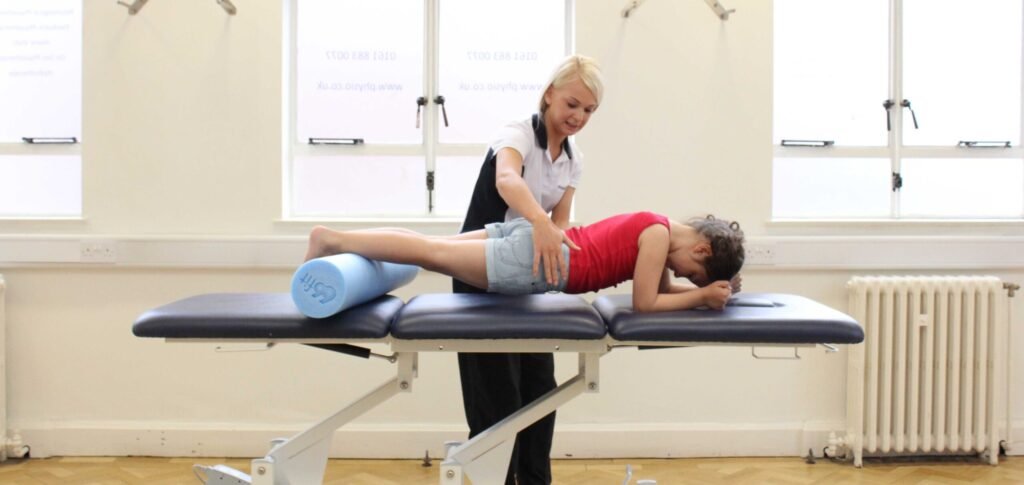
Children with conditions like cerebral palsy, autism spectrum disorder, or genetic disorders often benefit from structured therapy programs. These programs focus on improving muscle control, coordination, and functional movement, allowing children to participate more fully in everyday life.
Benefits of Paediatric Physiotherapy
Paediatric physiotherapy provides numerous benefits, including:
- Improved mobility and strength – Through targeted exercises, children develop stronger muscles and improved coordination.
- Pain management – Conditions such as cerebral palsy or joint injuries can cause discomfort. Physiotherapy helps manage pain effectively.
- Enhanced posture and balance – Children learn to maintain correct posture, reducing the risk of falls and injuries.
- Boosted confidence and independence – As children gain physical skills, they become more confident in performing daily activities.
- Support for developmental milestones – Physiotherapy helps children achieve milestones like crawling, walking, or running at their own pace.
Research shows that early intervention in paediatric physiotherapy can significantly improve long-term outcomes, especially for children with disabilities.
How Does Physiotherapy Help Children?
If you’re wondering, how does physiotherapy help children?, the answer lies in its personalised approach. No two children are the same, and therapy is always tailored to individual needs.
Personalised Treatment Approach
The therapists evaluate each child’s strengths and weaknesses, along with their developmental level before they create a treatment plan. The plan could include exercise based plans, play based or functional training to help improve activities of daily living.
If a child had difficulty maintaining balance, they might play games that involved jumping, climbing or balancing on different types of surface. The activities tend to fit a variety of domains while encouraging forward motion and excitement.
Techniques Used in Kids Physiotherapy
Modern kids physiotherapy uses a variety of techniques to ensure effective and enjoyable treatment.
Play-Based Therapy Methods
Children learn best through play, and therapists take full advantage of this. Activities like obstacle courses, ball games, and interactive exercises are commonly used to improve strength, coordination, and motor skills.
Other techniques may include stretching, strengthening exercises, and sensory integration activities. These methods are designed to be both therapeutic and fun, ensuring that children stay engaged throughout the process.
Physiotherapy Exercises for Kids
One of the key components of successful therapy is consistency, and that’s where home exercises come in.
Home-Based Activities for Parents
Parents play a crucial role in reinforcing therapy outside of sessions. Simple activities like playing catch, climbing stairs, or practising balance can make a big difference over time.
Therapists often provide customised physiotherapy exercises for kids that can be easily incorporated into daily routines. These exercises are designed to be simple, safe, and effective, allowing parents to actively participate in their child’s progress.
NDIS Support for Paediatric Physiotherapy
For families across Australia, accessing paediatric physiotherapy has become much simpler thanks to the support provided through the National Disability Insurance Scheme (NDIS).
How NDIS Kids Physiotherapy Works
The NDIS helps children with developmental delays or disabilities access essential therapies. This includes NDIS kids physiotherapy, which can cover initial assessments, personalised treatment sessions, and ongoing support plans.
At Iconic Care Group, our approach under the NDIS framework focuses on tailored care for each child. The aim is not only to improve physical abilities but also to empower children, helping them gain independence and confidence in daily life.
When to Take a Child to a Physiotherapist
Many parents are unsure about when to seek professional help. Recognising the right time to consult a paediatric physiotherapist can make a significant difference in your child’s development.
Signs You Shouldn’t Ignore
- Difficulty walking or frequent tripping and falls
- Poor posture or difficulty maintaining balance
- Delays in reaching developmental milestones
Even if your concerns seem minor, a professional assessment can provide guidance, reassurance, and early intervention strategies, ensuring your child receives the right support at the right time.
Choosing the Right Paediatric Physiotherapy Centre in Australia
Finding a pediatric physiotherapy center that matches your child’s needs is equally vital to starting therapy. A good centre provides a safe, welcoming environment with skilled therapists experienced in child development.
When looking for a centre:
- Ensure therapists offer personalised care
- Look for child-friendly facilities
- Confirm experience with NDIS-supported programs
- Consider location, especially if you’re searching for paediatric physiotherapy near me, to maintain consistent therapy sessions
At Iconic Care Group, we combine professional expertise with compassion, creating a supportive space where children feel comfortable and motivated to participate in therapy.
Conclusion
Paediatric physiotherapy is more than just treatment—it’s a pathway to better movement, confidence, and independence. Early intervention can have a lasting impact, whether your child faces developmental delays, physical challenges, or simply needs additional support.
With NDIS paediatric physiotherapy widely available in Australia, families can access high-quality care tailored to their child’s needs. Iconic Care Group is committed to helping children overcome challenges and thrive, providing the support required to move, play, and grow with confidence.
FAQs
1. What is paediatric physiotherapy used for?
It helps children with movement difficulties, developmental delays, or physical conditions to improve strength, coordination, and mobility.
2. How do I know if my child needs physiotherapy?
If your child experiences delayed milestones, poor balance, or struggles with movement, consulting a physiotherapist is recommended.
3. Is paediatric physiotherapy covered by NDIS?
Yes. Eligible children in Australia can access NDIS paediatric physiotherapy through funded support.
4. Are physiotherapy exercises safe for children?
Absolutely. Exercises are specifically designed for children and are safe when guided by a qualified physiotherapist.
5. How long before I see results?
The timeline depends on your child’s condition, but noticeable improvements are often seen within a few weeks of consistent therapy.
6. Can parents participate in therapy sessions?
Yes. Parents are encouraged to take part and continue exercises at home to support their child’s progress.