
Occupational Therapist in Campbelltown NSW – A Practical Guide for Parents and Families
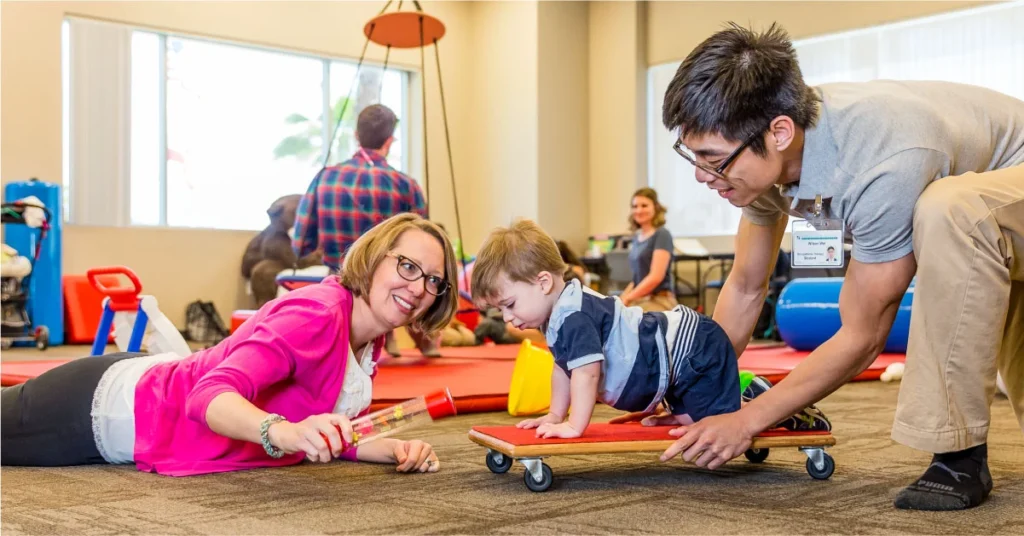
When you’re raising a child, especially one facing developmental or disability-related challenges, everyday tasks can sometimes feel like big hurdles. Things like holding a pencil, getting dressed, focusing in school, or even playing with other kids don’t always come naturally. That’s where an occupational therapist steps in—not just as a healthcare professional, but as someone who helps children build real-life skills that matter every single day. In Australia, the role of an occupational therapist has become increasingly important, especially with growing awareness around early intervention and support through the NDIS. Parents are now more informed and proactive, seeking help early instead of waiting for issues to resolve on their own. And honestly, that early support can completely change a child’s future. What is an Occupational Therapist? Let’s start with the basics—what is an occupational therapist? In simple terms, an occupational therapist helps people develop the skills they need to perform everyday activities, also known as “occupations.” For children, these occupations include playing, learning, socialising, and taking care of themselves. The occupational therapist meaning goes beyond just physical support. It includes improving fine motor skills, sensory processing, emotional regulation, and cognitive abilities. So it’s not just about movement—it’s about helping children function better in their daily lives. Think of it like this: if your child is struggling to keep up with everyday tasks that other kids their age can do, an occupational therapist works to bridge that gap in a supportive and practical way. Why Occupational Therapy is Important for Children Every child develops differently, but when certain skills are delayed or difficult, it can affect their confidence and independence. That’s where an occupational therapist children’s specialist plays a huge role. Children who receive early therapy often show improvements not just in skills, but also in behaviour, social interaction, and self-esteem. Imagine a child who couldn’t hold a spoon properly now eating independently, or a child who avoided social situations now confidently playing with others—that’s the kind of real-life impact therapy can have. For families in Australia, especially those supported by NDIS Services, accessing the right therapy at the right time can make all the difference. It’s not just about managing a condition—it’s about helping your child thrive. What Does a Paediatric Occupational Therapist Do? A paediatric occupational therapist specialises in working with children from infancy through adolescence. Their approach is always personalised, because no two children are the same. They start with a detailed assessment to understand your child’s strengths and challenges. From there, they create a therapy plan that focuses on improving specific skills such as: At Iconic Care Group, therapy sessions are designed to feel like play rather than treatment. Kids engage in fun activities while unknowingly building essential skills. This makes the process enjoyable and more effective. Signs Your Child May Need an Occupational Therapist Many parents aren’t sure when to seek help, and that’s completely normal. Signs that may indicate the need for occupational therapy include: Other possible signs: Key point: Early support leads to better outcomes. If something doesn’t feel right, it’s always worth getting an assessment. How Occupational Therapy Helps Children You might be wondering how therapy actually works in real life. The answer is simple—it focuses on building practical skills through structured, engaging activities. An occupational therapist uses play-based and goal-oriented techniques to help children improve step by step. For example, if a child struggles with writing, the therapist might use fun hand-strengthening games before moving on to pencil control exercises. Gradually, these minor enhancements accumulate into significant transformations.. Children become more independent, more confident, and more willing to try new things. It’s not just about skill development—it’s about giving them the tools to succeed in everyday life. NDIS and Occupational Therapy in Australia One of the biggest advantages for families in Australia is access to NDIS support. Occupational therapy is often included in NDIS plans, making it more accessible for children who need it. Through NDIS, families can receive funding for assessments, therapy sessions, and ongoing support. This means your child can get consistent, high-quality care without financial stress becoming a barrier. At Iconic Care Group, the team works closely with families to ensure they fully utilise their NDIS plans. The focus is always on delivering meaningful outcomes—not just ticking boxes. Choosing the Right Occupational Therapist Finding the right therapist is just as important as starting therapy itself. When searching for an occupational therapist near me, you want someone who understands your child’s needs and creates a comfortable environment. Look for a provider who offers personalised care, clear communication, and a child-friendly approach. Experience with NDIS is also a big plus, as it ensures smoother coordination and better support. At Iconic Care Group, the emphasis is on building trust with both children and parents. Therapy isn’t rushed—it’s carefully planned to ensure long-term success. What to Expect During Therapy Sessions For many parents, the first session can feel a bit uncertain. But once you see how it works, it all makes sense. Sessions are usually structured around play and functional activities. Your child might be climbing, drawing, stacking, or engaging in sensory games—all designed to target specific skills. Therapists also guide parents on what to do at home, because consistency is key. The more a child practises in their daily routine, the faster they improve. The best part? Kids often look forward to their sessions because they feel like playtime, not therapy. Long-Term Benefits of Occupational Therapy The impact of occupational therapy goes far beyond childhood. The skills children develop stay with them as they grow. Improved coordination, better focus, stronger social skills, and increased independence all contribute to a better quality of life. Children who receive early support are more likely to succeed in school and adapt to new challenges. For parents, it brings peace of mind knowing their child is on the right path and getting the support they need. Conclusion An occupational therapist plays a vital role in helping children overcome everyday challenges and build a more independent life.