
Paediatric Exercise Physiology: Supporting Your Child’s Health and Development
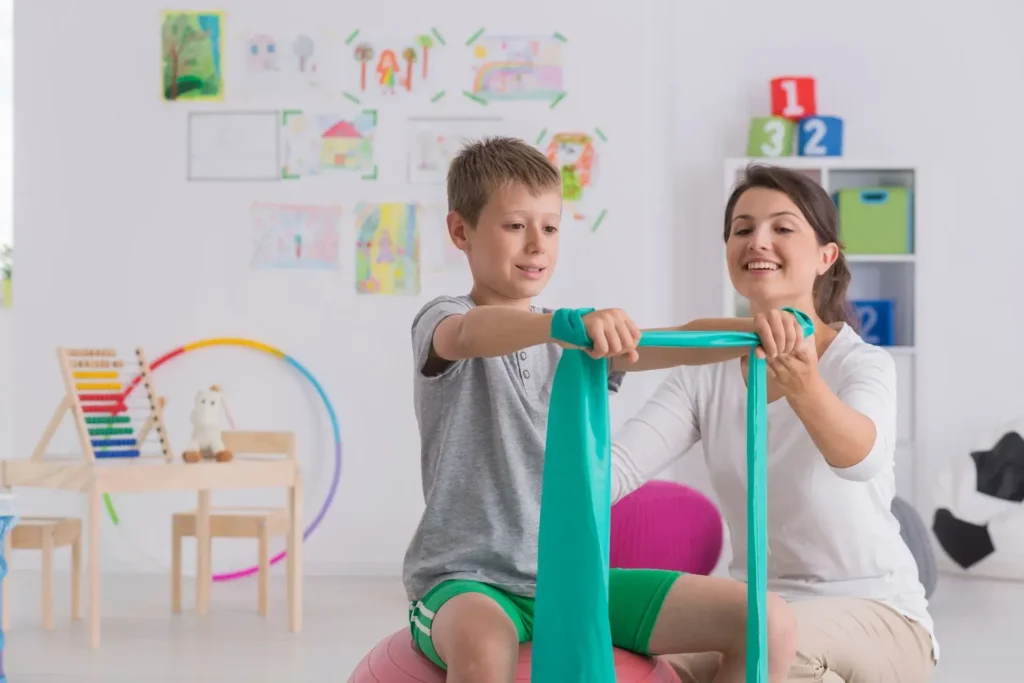
Paediatric Exercise Physiology is a specialized field that focuses on the physical activity, exercise, and overall movement health of children. Unlike adult exercise physiology, paediatric exercise physiology considers the unique growth, development, and health needs of children. Proper exercise programs can enhance motor skills, improve cardiovascular fitness, manage chronic conditions, and support mental health in children. At Iconic Care Group, based in Australia, we provide evidence-based paediatric exercise programs designed to promote optimal health and development for children of all ages. Our services cater to a variety of needs, from managing chronic conditions like asthma and diabetes to helping children recover from sports injuries or achieve developmental milestones. Why Paediatric Exercise Physiology is Important for Children Children are not just small adults; their bodies respond differently to exercise. Paediatric exercise physiology addresses these differences by creating age-appropriate, safe, and effective exercise programs. The benefits include: By integrating structured physical activity into a child’s routine, we can help them develop lifelong healthy habits while supporting their growth and development. Our Core Service Clusters in Paediatric Exercise Physiology At Iconic Care Group, our services are structured into eight key clusters, each targeting specific needs and goals. These clusters ensure that every child receives a tailored approach to movement and exercise. 1. Exercise for Kids With Asthma For children living with asthma, regular physical activity is essential but must be approached carefully. Exercise can help improve lung function, increase endurance, and reduce asthma-related symptoms when done safely. Key Strategies Include: Our programs ensure that children with asthma can participate in regular physical activity without compromising safety, helping them lead active and healthy lives. 2. Best Exercises for Overweight Kids Childhood overweight and obesity are growing concerns in Australia. Exercise plays a crucial role in maintaining a healthy weight and promoting overall wellness. Recommended Approaches: By encouraging physical activity, we aim to prevent obesity-related complications, improve fitness, and support the child’s mental well-being. 3. Home Exercise Ideas for Children Not all children can go to gyms or sports clubs. That’s why home-based exercise routines are essential. These exercises are simple, safe, and can be done with minimal equipment. Popular Home Exercise Options: At Iconic Care Group, we provide parents with creative and effective home exercise ideas that help children stay active even during busy schedules or bad weather. 4. Sports Injury Treatment for Children Sports and recreational activities are a vital part of a child’s life but can sometimes result in injuries. Early intervention and targeted rehabilitation are key to ensuring a safe recovery. Treatment and Recovery Approaches: Our programs help young athletes recover safely from injuries and minimize the risk of re-injury, ensuring they can continue participating in sports with confidence. 5. Diabetes & Exercise in Children Physical activity is an essential component of managing diabetes in children. Exercise can help regulate blood sugar levels, improve insulin sensitivity, and enhance overall health. Exercise Recommendations for Children With Diabetes: Through tailored programs, Iconic Care Group helps children with Paediatric Dietitians Australia stay active safely, supporting both their physical health and lifestyle management. 6. Mental Health Benefits of Exercise in Kids Exercise is not only about physical fitness; it also plays a significant role in mental and emotional well-being. Children who engage in regular physical activity often experience lower stress, reduced anxiety, and improved mood. Benefits Include: Our programs integrate mental health support into exercise routines, helping children develop healthy habits for both body and mind. 7. Developmental Delay Exercises for Children Some children require additional support to reach developmental milestones. Exercise physiologists can design targeted programs to enhance motor skills, coordination, and overall physical development. Approaches Include: These programs empower children with developmental delays to improve mobility, confidence, and independence in everyday activities. 8. Benefits of Cardio for Kids Cardiovascular health is crucial for children of all ages. Cardio exercises improve endurance, heart health, and overall fitness while making physical activity enjoyable. Recommended Activities: By including cardio in a child’s routine, Iconic Care Group ensures they build strong hearts, enhanced stamina, and a foundation for lifelong fitness. Why Choose Iconic Care Group for Paediatric Exercise Physiology in Australia? Conclusion Paediatric Exercise Physiology plays a vital role in promoting the physical, developmental, and emotional health of children. At Iconic Care Group in Australia, our evidence-based, individualized programs cover a wide range of needs—from chronic condition management to injury recovery, developmental support, and overall fitness. Through targeted exercise, children can achieve better health, improved confidence, and lifelong habits that support wellness. By choosing Iconic Care Group, parents and caregivers can trust that their child’s exercise program is safe, effective, and designed to support their unique growth and development journey. FAQs Can children with asthma participate in all types of exercise? Yes, with proper guidance and controlled intensity, children with asthma can safely participate in most forms of exercise. Low-impact activities like swimming and walking are often recommended initially. How often should children exercise at home? Children should aim for at least 60 minutes of moderate to vigorous physical activity daily. Home exercises can be split into short sessions throughout the day. Is exercise safe for children with diabetes? Absolutely. With proper monitoring of blood sugar levels and personalized exercise plans, children with diabetes can benefit greatly from regular physical activity. How does exercise help with developmental delays? Structured exercise improves motor skills, coordination, strength, and balance, helping children achieve developmental milestones more effectively. Why is cardio important for children? Cardio exercises improve heart and lung function, endurance, and overall health, while also supporting mental well-being and social interaction.