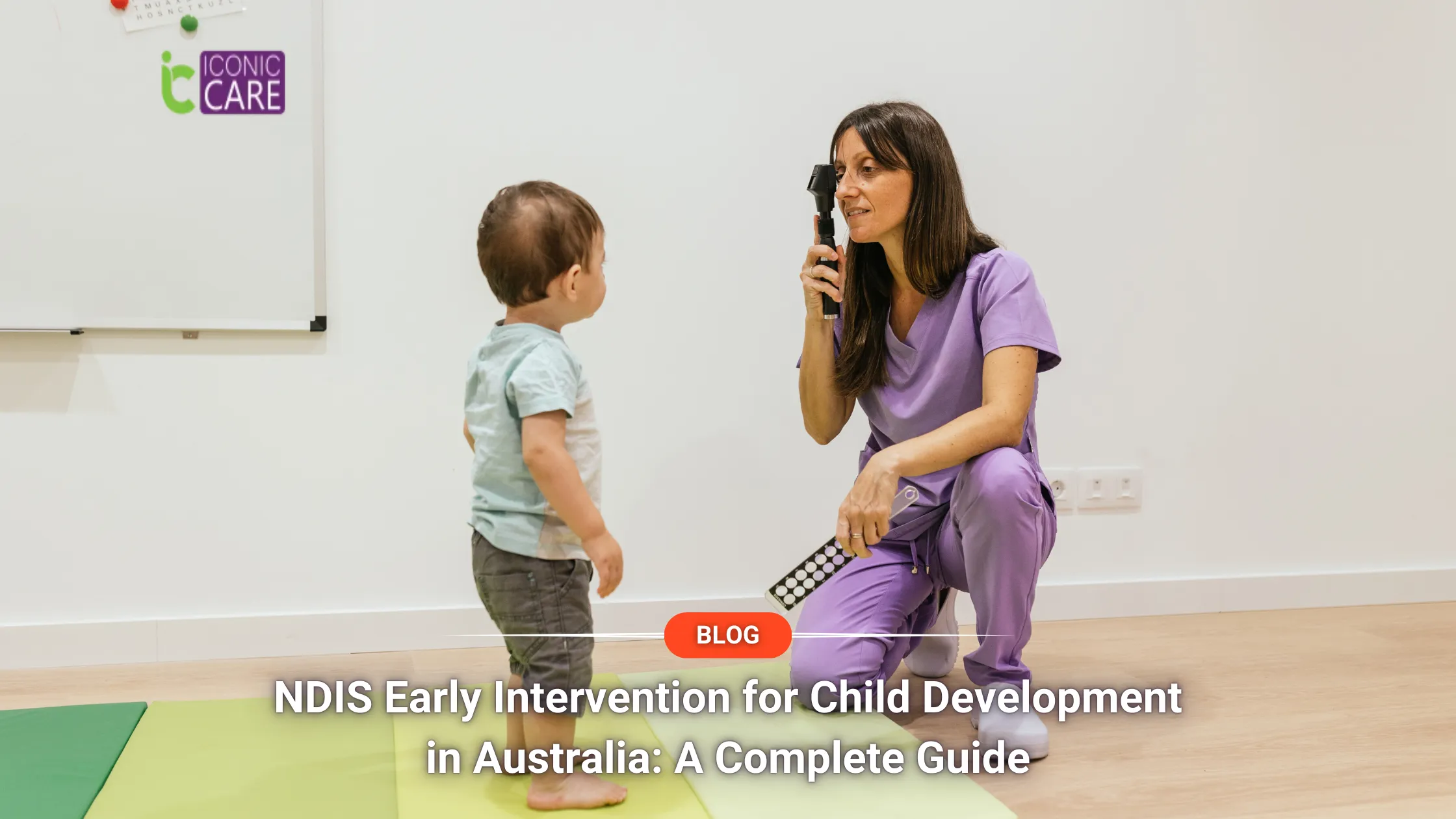
NDIS Early Intervention for Child Development in Australia: A Complete Guide
When it comes to supporting your child’s development, early intervention can make a profound difference. In Australia, NDIS early intervention for child development plays a crucial role in providing children with the right resources at the right time. The National Disability Insurance Scheme (NDIS) offers services that can help children with developmental delays, disabilities, and other health conditions. These services, which are essential for fostering a child’s growth, are designed to provide long-term benefits in terms of independence, emotional well-being, and physical capabilities.
For parents navigating the system, it can sometimes be overwhelming to understand how to access the right services, what early intervention includes, and how it impacts your child’s development. In this article, we will explore NDIS early intervention and how it can benefit your child’s overall development in Australia.
What is NDIS Early Intervention for Child Development?
NDIS early intervention refers to the supports and services provided to children under the age of 7 who have developmental delays or disabilities. These services focus on addressing challenges at an early age, ensuring that children can develop essential life skills, increase independence, and achieve better outcomes as they grow.
Early intervention under the NDIS provides a range of therapies, including speech therapy, occupational therapy, physiotherapy, and behavioural therapy, all aimed at improving the child’s ability to function in various environments, including at home, school, and in social settings. The earlier the intervention, the better the chances of improving long-term outcomes, making early access to these services vital.
By accessing NDIS early intervention services, families are empowered to support their children’s development, no matter their challenges. Whether a child is showing delays in communication, motor skills, or social interactions, NDIS services help them reach their potential.
How Does NDIS Early Intervention Work in Australia?
NDIS early intervention is designed to be child-centred and family-focused, meaning that parents and caregivers are integral to the process. Here’s a breakdown of how NDIS early intervention works:
Step 1: Eligibility for NDIS Early Intervention
To access early intervention services under NDIS, children must meet certain eligibility criteria. This includes children under 7 years of age with a diagnosed developmental delay or disability. To confirm eligibility, parents need to apply through the NDIS and provide relevant medical reports or assessments from healthcare professionals.
Step 2: Developing an NDIS Plan
Once the child is deemed eligible for NDIS services, the next step is to create an NDIS plan. This plan is developed in collaboration with the family and includes specific goals for the child’s development. The plan outlines the types of support required, the expected outcomes, and the therapies that will be provided.
Step 3: Accessing Therapy Services
After the NDIS plan is approved, families can access a wide range of therapy services. Some of the most common services available under NDIS early intervention include:
- Speech Therapy: Aimed at improving communication skills, including speech, language, and understanding.
- Occupational Therapy: Helps children develop fine motor skills, hand-eye coordination, and self-care abilities.
- Physiotherapy: Focuses on improving gross motor skills, balance, and physical movement.
- Behavioural Therapy: Addresses emotional regulation, social skills, and coping strategies.
Step 4: Regular Reviews
The NDIS plan is regularly reviewed to ensure that the child is receiving the necessary supports to meet their developmental goals. These reviews are conducted annually or whenever significant changes occur in the child’s progress or needs.
Benefits of NDIS Early Intervention for Child Development
Early intervention through NDIS offers a multitude of benefits for children with developmental delays or disabilities. Some of the key advantages include:
1. Improved Communication Skills
Many children who receive early speech therapy show significant improvements in their ability to communicate effectively. This can help them interact with peers, express their needs, and thrive academically.
2. Enhanced Independence
Therapies such as occupational therapy and physiotherapy help children develop essential life skills. From improving fine motor skills (e.g., writing, eating) to building the strength needed for everyday tasks, early intervention fosters greater independence.
3. Better Social Integration
Through behavioural therapy and social skills development, children learn to manage emotions, interact appropriately with peers, and participate in group activities. These skills are essential for school readiness and overall social integration.
4. Long-Term Benefits
Research has shown that early intervention can lead to long-term improvements in educational outcomes, social skills, and employment potential. By addressing challenges early, children can overcome barriers that may otherwise limit their opportunities later in life.
How to Access NDIS Early Intervention Services in Australia
Accessing NDIS early intervention for child development requires navigating the NDIS system. Here’s how you can get started:
1. Apply for NDIS Access
The first step is to determine your child’s eligibility for the NDIS. You can apply through the NDIS website or contact the NDIS helpline. You will need to provide medical documentation from health professionals confirming your child’s developmental delays or disability.
2. Work with a Local Area Coordinator (LAC)
Once your child is eligible, you will be assigned a Local Area Coordinator (LAC). The LAC will assist you in understanding your child’s needs, setting goals, and creating a plan for accessing the right services.
3. Choose Service Providers
Once the NDIS plan is in place, you can choose from a wide range of registered NDIS service providers. These may include local therapists, clinics, and hospitals that offer the therapies your child needs.
4. Monitor Progress
Throughout your child’s therapy journey, it’s important to regularly monitor their progress. Keep track of any milestones or setbacks and update the NDIS plan during reviews to ensure your child’s needs continue to be met.
NDIS Early Intervention Success Stories in Australia
One of the most inspiring aspects of NDIS early intervention is the transformative effect it has on children. Many families have seen remarkable improvements in their children’s development thanks to early access to therapy services. Here are some real-life success stories:
Case Study 1: Max’s Journey with Speech Therapy
Max, a 4-year-old boy diagnosed with a speech delay, began NDIS-funded speech therapy at a young age. With consistent therapy, Max was able to develop his vocabulary, improve his communication skills, and start participating more in social activities with his peers.
Case Study 2: Ava’s Journey with Occupational Therapy
Ava, a 6-year-old girl with fine motor skill delays, began NDIS-funded occupational therapy to help her with tasks like writing, dressing, and using utensils. After several months of therapy, Ava showed remarkable progress and was able to independently complete daily tasks, significantly improving her self-esteem and confidence.
Conclusion: Empowering Children with Early Intervention
In conclusion, NDIS early intervention for child development in Australia provides an invaluable opportunity for children to reach their full potential. By accessing the right therapies at an early age, children can overcome developmental challenges, improve their independence, and thrive in school and social settings. The NDIS system plays a crucial role in ensuring that children receive the support they need to build a bright future.
If you’re a parent or caregiver, it’s important to understand the process of accessing NDIS early intervention services and how it can benefit your child’s development. Take the first step today by applying for NDIS support, and give your child the best chance for success.
For more information, check out ourPaediatric Therapy Services in Australia page.
Frequently Asked Questions
1. What is NDIS early intervention for child development?
NDIS early intervention refers to a range of services and support offered to children under 7 years old who have developmental delays or disabilities. It includes therapies such as speech therapy, occupational therapy, and physiotherapy that are designed to support children’s growth, independence, and development. These services are funded by the National Disability Insurance Scheme (NDIS) to help children reach their potential from an early age.
2. How do I know if my child is eligible for NDIS early intervention?
To be eligible for NDIS early intervention, your child must be under 7 years old and have a diagnosed developmental delay or disability. You’ll need to submit medical documentation from health professionals confirming the condition. If you believe your child may qualify, you can apply directly through the NDIS portal or contact a Local Area Coordinator (LAC) for assistance.
3. What types of therapies are available under NDIS early intervention?
NDIS early intervention provides a variety of therapy options, including:
- Speech Therapy to improve communication and language skills.
- Occupational Therapy to help with fine motor skills, daily tasks, and self-care.
- Physiotherapy to improve physical abilities, motor skills, and movement.
- Behavioural Therapy to support emotional regulation, social skills, and coping mechanisms.
Each therapy is tailored to your child’s individual needs, promoting long-term development.
4. How does early intervention help my child’s development?
Early intervention helps your child by addressing developmental challenges before they become more complex. Through specialized therapies, children develop key skills like communication, physical coordination, and social interaction. Early intervention leads to better long-term outcomes, including improved independence, school readiness, and emotional well-being.
5. Can I choose my own therapy providers for NDIS early intervention?
Yes, once your child’s NDIS plan is approved, you have the freedom to choose from a list of registered therapy providers. You can select those who offer the specific therapies your child needs, such as speech or occupational therapy. You also have the option to choose providers that best align with your family’s preferences and location.
6. How often will my child’s NDIS early intervention plan be reviewed?
NDIS early intervention plans are typically reviewed annually. However, if your child’s needs change or there are significant milestones reached, you can request an early review. During the review, you and the NDIS planner will assess your child’s progress, update goals, and ensure the plan remains aligned with your child’s current needs.