
NDIS Early Intervention for Child Development in Campbelltown NSW: A Complete Guide

When it comes to supporting your child’s development, early intervention can make a profound difference. In Australia, NDIS early intervention for child development plays a crucial role in providing children with the right resources at the right time. The National Disability Insurance Scheme (NDIS) offers services that can help children with developmental delays, disabilities, and other health conditions. These services, which are essential for fostering a child’s growth, are designed to provide long-term benefits in terms of independence, emotional well-being, and physical capabilities. For parents navigating the system, it can sometimes be overwhelming to understand how to access the right services, what early intervention includes, and how it impacts your child’s development. In this article, we will explore NDIS early intervention and how it can benefit your child’s overall development in Australia. What is NDIS Early Intervention for Child Development? NDIS early intervention refers to the supports and services provided to children under the age of 7 who have developmental delays or disabilities. These services focus on addressing challenges at an early age, ensuring that children can develop essential life skills, increase independence, and achieve better outcomes as they grow. Early intervention under the NDIS provides a range of therapies, including speech therapy, occupational therapy, physiotherapy, and behavioural therapy, all aimed at improving the child’s ability to function in various environments, including at home, school, and in social settings. The earlier the intervention, the better the chances of improving long-term outcomes, making early access to these services vital. By accessing NDIS early intervention services, families are empowered to support their children’s development, no matter their challenges. Whether a child is showing delays in communication, motor skills, or social interactions, NDIS services help them reach their potential. How Does NDIS Early Intervention Work in Australia? NDIS early intervention is designed to be child-centred and family-focused, meaning that parents and caregivers are integral to the process. Here’s a breakdown of how NDIS early intervention works: Step 1: Eligibility for NDIS Early Intervention To access early intervention services under NDIS, children must meet certain eligibility criteria. This includes children under 7 years of age with a diagnosed developmental delay or disability. To confirm eligibility, parents need to apply through the NDIS and provide relevant medical reports or assessments from healthcare professionals. Step 2: Developing an NDIS Plan Once the child is deemed eligible for NDIS services, the next step is to create an NDIS plan. This plan is developed in collaboration with the family and includes specific goals for the child’s development. The plan outlines the types of support required, the expected outcomes, and the therapies that will be provided. Step 3: Accessing Therapy Services After the NDIS plan is approved, families can access a wide range of therapy services. Some of the most common services available under NDIS early intervention include: Step 4: Regular Reviews The NDIS plan is regularly reviewed to ensure that the child is receiving the necessary supports to meet their developmental goals. These reviews are conducted annually or whenever significant changes occur in the child’s progress or needs. Benefits of NDIS Early Intervention for Child Development Early intervention through NDIS offers a multitude of benefits for children with developmental delays or disabilities. Some of the key advantages include: 1. Improved Communication Skills Many children who receive early speech therapy show significant improvements in their ability to communicate effectively. This can help them interact with peers, express their needs, and thrive academically. 2. Enhanced Independence Therapies such as occupational therapy and physiotherapy help children develop essential life skills. From improving fine motor skills (e.g., writing, eating) to building the strength needed for everyday tasks, early intervention fosters greater independence. 3. Better Social Integration Through behavioural therapy and social skills development, children learn to manage emotions, interact appropriately with peers, and participate in group activities. These skills are essential for school readiness and overall social integration. 4. Long-Term Benefits Research has shown that early intervention can lead to long-term improvements in educational outcomes, social skills, and employment potential. By addressing challenges early, children can overcome barriers that may otherwise limit their opportunities later in life. How to Access NDIS Early Intervention Services in Australia Accessing NDIS early intervention for child development requires navigating the NDIS system. Here’s how you can get started: 1. Apply for NDIS Access The first step is to determine your child’s eligibility for the NDIS. You can apply through the NDIS website or contact the NDIS helpline. You will need to provide medical documentation from health professionals confirming your child’s developmental delays or disability. 2. Work with a Local Area Coordinator (LAC) Once your child is eligible, you will be assigned a Local Area Coordinator (LAC). The LAC will assist you in understanding your child’s needs, setting goals, and creating a plan for accessing the right services. 3. Choose Service Providers Once the NDIS plan is in place, you can choose from a wide range of registered NDIS service providers. These may include local therapists, clinics, and hospitals that offer the therapies your child needs. 4. Monitor Progress Throughout your child’s therapy journey, it’s important to regularly monitor their progress. Keep track of any milestones or setbacks and update the NDIS plan during reviews to ensure your child’s needs continue to be met. NDIS Early Intervention Success Stories in Australia One of the most inspiring aspects of NDIS early intervention is the transformative effect it has on children. Many families have seen remarkable improvements in their children’s development thanks to early access to therapy services. Here are some real-life success stories: Case Study 1: Max’s Journey with Speech Therapy Max, a 4-year-old boy diagnosed with a speech delay, began NDIS-funded speech therapy at a young age. With consistent therapy, Max was able to develop his vocabulary, improve his communication skills, and start participating more in social activities with his peers. Case Study 2: Ava’s Journey with Occupational Therapy Ava, a 6-year-old girl with fine motor skill delays, began NDIS-funded occupational therapy to help her with
How to Choose the Right Paediatric Therapist for Your Child in Campbelltown NSW

Choosing a paediatric therapist for your child can feel overwhelming. Parents often worry about making the wrong decision, missing important signs, or starting therapy too late. Every child is different, and there is no one-size-fits-all approach. Understanding how to choose the right paediatric therapist for your child in Australia helps replace confusion with clarity and allows families to move forward with confidence. Therapy is not about fixing a child. It is about supporting development, strengthening skills, and helping children participate fully in daily life — at home, school, and in the community. Understanding Your Child’s Individual Therapy Needs Knowing how to choose the right paediatric therapist for your child in Australia starts with understanding your child’s unique needs. Some children struggle with communication, others with movement, emotions, behaviour, or daily routines. The right therapist is someone who understands both the clinical side of development and the human side of working with children and families. This decision is not rushed. It is thoughtful, informed, and centred on your child. Understanding Why Therapy Needs Differ Between Children No two children develop in the same way. Even children with similar challenges may need very different types of support. Some children benefit from therapy because: Understanding your child’s specific needs helps guide you toward the most suitable therapist rather than choosing based on titles alone. Identifying the Type of Therapy Your Child May Need Before choosing a therapist, it helps to understand the different therapy areas. Common paediatric therapy types include: You do not need to decide this alone. A professional assessment often helps clarify which therapy — or combination — is most appropriate. Why Experience With Children Matters More Than Qualifications Alone When learning how to choose the right paediatric therapist for your child in Australia, experience with children is critical. Paediatric therapy is not the same as adult therapy. Children communicate differently, respond emotionally, and learn best through play and connection. A strong paediatric therapist: A therapist who understands child development creates a safe space where progress feels natural. The Importance of a Child-Centred Approach The best therapists do not follow rigid plans. They adapt based on the child in front of them. A child-centred approach means: This approach helps children feel confident rather than labelled. How Assessments Guide the Right Therapy Choice Assessments are not exams. They are tools to understand how a child functions in daily life. A quality assessment looks at: Understanding assessment outcomes helps parents make informed decisions when choosing the right therapist. Questions Parents Should Ask Before Choosing a Therapist Asking questions is not being difficult — it is being informed. Helpful questions include: Clear communication builds trust from the start. Clinic-Based vs Home-Based Therapy: What to Consider Some therapy services are clinic-based, while others may occur at home or school. Each option has benefits: Choosing depends on: There is no right or wrong choice — only what works best for your child. The Role of Family Involvement in Therapy Success Therapy does not stop when the session ends. Families play a crucial role in progress. Effective therapy includes: This partnership strengthens outcomes and helps skills generalise beyond therapy sessions. Signs You May Need to Re-Evaluate Therapy Support Sometimes therapy needs change — and that is okay. Consider re-evaluation if: Knowing how to choose the right paediatric therapist for your child in Australia also means knowing when adjustments are needed. Understanding Therapy Progress Takes Time Progress in therapy is rarely linear. Some weeks show visible improvement, while others feel slower. This is normal. Therapy supports: Patience and consistency matter more than speed. Avoiding Common Mistakes When Choosing a Therapist Parents often feel pressure to act quickly. Some common mistakes include: Taking time to understand options leads to better long-term outcomes. How Therapy Builds Confidence in Children Beyond skills, therapy builds confidence. Children learn: Confidence impacts learning, friendships, and emotional well-being — often more than any single skill. Linking Therapy Choices to Broader Support Many families benefit from learning about the range of supports available under Paediatric Therapy Services in Australia, which helps them understand how different therapies work together to support a child’s development. For example, families exploring communication challenges may also find value in learning more about paediatric speech pathology in Australia, especially when speech, language, and social communication overlap with emotional or learning needs. When Trust and Comfort Matter Most A strong therapeutic relationship is built on trust. Signs a therapist is a good fit: Trust allows therapy to work effectively. Conclusion Understanding how to choose the right paediatric therapist for your child empowers families to make confident, informed decisions. The right therapist supports not only skill development but also emotional well-being, independence, and confidence. By focusing on your child’s unique needs, asking the right questions, and valuing collaboration, families can create a strong foundation for meaningful progress and long-term growth. Frequently Asked Questions 1. How do I know which type of paediatric therapist my child needs? You don’t need to decide on your own. An initial assessment helps identify whether your child would benefit from speech therapy, occupational therapy, behaviour support, psychology, or another service based on daily challenges. 2. What qualifications should a paediatric therapist have in Australia? A paediatric therapist should be registered with the relevant professional body and have experience working specifically with children. Practical experience with child development is just as important as formal qualifications. 3. How long does it take to see progress in paediatric therapy? Progress varies for every child. Some children show changes within weeks, while others need more time. Consistency, family involvement, and realistic goals all influence progress. 4. Should parents be involved during therapy sessions? Yes. Parent involvement is strongly encouraged. When parents understand strategies used in therapy, they can support their child at home, which often leads to better and longer-lasting outcomes. 5. Can I change therapists if the fit doesn’t feel right? Absolutely. If your child feels uncomfortable or progress isn’t happening, it’s okay to re-evaluate and explore other options. The right
Comprehensive Guide to Paediatric Therapy for Childhood Conditions in Campbelltown NSW

When children face developmental challenges, paediatric therapy becomes a vital tool in helping them overcome obstacles and reach their full potential. In Australia, paediatric therapy for childhood conditions is widely recognized as a crucial part of early intervention. This guide will explore the types of therapies available, common childhood conditions that benefit from treatment, and how parents can access the right support to help their children thrive. By understanding the options available and the benefits of early intervention, parents can make informed decisions that support their child’s growth and development. Learn more about paediatric therapy services available across Australia on our Pediatric Therapy Services in Australia page. What is Paediatric Therapy for Childhood Conditions in Australia? Paediatric therapy for childhood conditions in Australia is a specialized approach that addresses a wide range of physical, emotional, and developmental challenges children face. Whether it’s speech delays, motor skill difficulties, or social and behavioral issues, paediatric therapists are trained to provide support tailored to the child’s needs. These therapies can have a profound impact, helping children acquire essential life skills, build confidence, and improve their quality of life. In Australia, many families are turning to paediatric therapy as a proactive measure to ensure their child has the best possible start in life. With early intervention, children have a better chance of overcoming developmental delays and challenges, making paediatric therapy a valuable resource for any parent concerned about their child’s development. Common Childhood Conditions That Benefit from Paediatric Therapy in Australia Paediatric therapy for childhood conditions in Australia helps children with a variety of developmental challenges. Some of the most common conditions that benefit from therapy include: 1. Autism Spectrum Disorder (ASD) Autism can affect a child’s ability to communicate, engage socially, and manage sensory stimuli. Therapy, such as speech therapy, occupational therapy, and applied behavior analysis (ABA), plays an essential role in helping children with ASD develop skills that support everyday functioning. 2. Attention-Deficit/Hyperactivity Disorder (ADHD) ADHD can affect a child’s focus, impulse control, and behavior. Therapy options like cognitive-behavioral therapy (CBT) and behavioral therapy help children with ADHD regulate their emotions, improve focus, and develop social skills. The Importance of Early Paediatric Therapy Intervention in Australia Early intervention through paediatric therapy for childhood conditions in Australia is widely acknowledged as crucial for positive outcomes. The earlier a child begins therapy, the better their chances are for success. Early paediatric therapy can address delays and conditions that, if left untreated, could lead to long-term challenges. For instance, children with speech delays or motor difficulties can often benefit from starting therapy at a young age, allowing them to overcome obstacles before these issues become more ingrained. The benefits of early intervention are clear: it improves the child’s ability to function in everyday life, boosts self-esteem, and supports their emotional well-being. How to Identify When Your Child Needs Paediatric Therapy in Australia As a parent, it can be challenging to know when to seek help for your child. Identifying the signs that may indicate the need for paediatric therapy for childhood conditions in Australia is crucial for timely intervention. Here are some red flags to look out for: 1. Speech Delays If your child is not meeting speech and language milestones, such as not speaking in full sentences by age 3 or struggling to understand simple instructions, speech therapy may be necessary. If you’re concerned about your child’s speech development, our Speech Therapy Services can help. 2. Motor Skill Delays Difficulty with fine motor skills, such as holding a pencil or tying shoes, or gross motor skills, such as walking or running, can indicate the need for occupational or physical therapy. Types of Paediatric Therapy Available for Childhood Conditions in Australia Australia offers a variety of paediatric therapy options designed to help children with different types of childhood conditions. These therapies are often customized to address the specific needs of the child and can be provided in different settings, including private clinics, schools, or at home. Here are the most common types: 1. Speech Therapy Speech therapists work with children to improve communication skills, whether it’s helping them speak more clearly, improving their ability to understand language, or supporting children with more complex language issues such as stuttering. 2. Occupational Therapy Occupational therapists help children develop motor skills and the ability to complete daily activities, such as dressing, eating, and writing. For children with sensory processing disorder, occupational therapy can also include sensory integration techniques. Accessing Paediatric Therapy for Childhood Conditions in Australia Paediatric therapy in Australia can be accessed through public health services, private practitioners, and even in schools. Parents can work with paediatricians to get a referral for therapy, or they can seek therapy services directly from private providers. In some cases, funding options such as the National Disability Insurance Scheme (NDIS) can help cover the cost of therapy, making it more accessible for families. When considering paediatric therapy for childhood conditions in Australia, it’s important to choose a qualified professional who specializes in the specific condition your child is facing. Therapists can help develop a tailored treatment plan that suits your child’s needs and goals. Conclusion: The Importance of Paediatric Therapy for Childhood Conditions in Australia Paediatric therapy for childhood conditions in Australia offers children the opportunity to overcome developmental delays, improve their skills, and lead successful, independent lives. By identifying the signs early and seeking appropriate therapy, parents can help ensure that their children get the support they need at the right time. Whether it’s speech therapy, occupational therapy, or behavioral support, paediatric therapy provides valuable tools for children to navigate the challenges they face. If you’re concerned about your child’s development, consider seeking professional paediatric therapy. With the right support, children can build a strong foundation for a bright future. Frequently Asked Questions 1. What is paediatric therapy? Paediatric therapy is a range of treatments designed to support children with developmental, physical, emotional, or behavioral challenges. It includes therapies such as speech therapy, occupational therapy, and physiotherapy to help children reach
Benefits of Early Paediatric Therapy for Children

Many parents hesitate when therapy is first suggested. Some hope their child will “grow out of it.” Others worry that starting therapy too early might label their child or make things feel more serious than they really are. These thoughts are completely normal. But when parents take time to understand the benefits of early paediatric therapy for children, their perspective often changes. Early therapy is not about fixing children — it is about supporting them during the years when learning, development, and emotional growth happen most rapidly. This article explains why early support can make such a meaningful difference, not just for children, but for families as a whole. Why Early Childhood Matters So Much The early years of a child’s life are a period of incredible brain development. Neural connections are forming quickly, and children are constantly learning through movement, play, communication, and relationships. During this stage: When challenges appear during these years, early therapy works with the child’s development instead of trying to correct patterns later on. This is one of the most important benefits of early paediatric therapy for children — it supports growth at the right time, rather than waiting until difficulties become more established. Early Therapy Is About Support, Not Severity A common misunderstanding is that therapy is only for children with significant or permanent conditions. In reality, many children who benefit from early therapy are bright, curious, and capable — they just need extra guidance in specific areas. Early therapy may support: In many cases, early therapy is short-term and preventative, helping children catch up before challenges affect confidence or learning. Improved Communication Builds Confidence Early Communication plays a major role in how children interact with the world. When a child struggles to express needs or understand others, frustration can build quickly. Early therapy helps children: When children feel understood — and can understand others — their confidence often grows naturally. This is a key reason many families see clear benefits of early paediatric therapy for children in both home and school environments. Supporting Emotional Regulation From the Start Young children experience big emotions but don’t always have the tools to manage them. Without guidance, emotional responses can become overwhelming for both the child and the family. Early therapy supports: Instead of reacting with distress, children learn healthier ways to cope — skills that support emotional wellbeing well into adolescence. Stronger Behaviour Skills Without Punishment Behaviour challenges are often misunderstood as discipline problems. In reality, behaviour is communication. Early therapy helps children: Rather than focusing on consequences, therapy focuses on skill-building. This approach supports positive behaviour without damaging a child’s confidence or self-esteem. Independence in Daily Living Skills Everyday tasks such as dressing, feeding, writing, or managing routines can be surprisingly challenging for some children. Early therapy supports: When children gain independence in daily tasks, they often feel more capable and motivated — reducing stress for both parents and children. Better Preparation for School and Learning School places new demands on children, including attention, communication, emotional control, and physical coordination. Children who receive early support often: These outcomes highlight another major benefit of early paediatric therapy for children — smoother transitions into formal learning environments. Reducing Anxiety for the Whole Family Uncertainty can be exhausting for parents. When concerns are left unanswered, families often feel stuck between worry and hope. Early therapy provides: Parents often report feeling calmer and more confident once they know how to support their child effectively. Preventing Secondary Challenges Later in Life When early challenges go unsupported, children may develop secondary difficulties such as: One of the most overlooked benefits of early paediatric therapy for children is its preventative role. Supporting children early can reduce the risk of more complex challenges developing later. Therapy That Grows With the Child Early therapy is not rigid. Goals change as children grow, develop, and face new environments. Therapists regularly adjust support based on: This flexibility ensures therapy remains relevant, practical, and child-centred. Parents Are Central to the Process Early therapy works best when families are involved. Parents learn: This collaboration often leads to more consistent outcomes and stronger parent-child relationships. Therapy Is Not About Labels Many parents fear that starting therapy means their child will be defined by a diagnosis. In reality, therapy focuses on abilities, not labels. Early therapy: Children are supported as individuals, not categories. How Early Therapy Fits Into Broader Support Early therapy is often part of a broader support system that may include schools, healthcare providers, and family routines. High-quality care is usually guided by a holistic approach like Paediatric Therapy Services in Australia, where professionals work together to support the whole child rather than isolated challenges. A Natural Example of Early Support in Action For example, a child who struggles with fine motor skills may begin to avoid drawing or writing. Early occupational therapy can gently build strength, coordination, and confidence through play — often preventing frustration and learning difficulties later on. This kind of early, practical support is why families often explore services such as Paediatric Occupational Therapy when concerns first appear. Is Early Therapy Always Necessary? Not every child requires ongoing therapy. Some children benefit from: Early therapy helps families make informed decisions rather than waiting in uncertainty. How Early Is Too Early? There is no “too early” when concerns affect daily life. If a challenge is noticeable, persistent, or causing stress, early guidance can be helpful — regardless of age. What Early Therapy Looks Like in Practice Early therapy sessions are usually: Children are not forced to perform. They are guided gently in ways that feel natural and safe. Why Early Support Builds Long-Term Confidence Children who feel capable early are more likely to: This confidence often carries through school, relationships, and independence later in life. Conclusion The benefits of early paediatric therapy for children extend far beyond addressing immediate concerns. Early support nurtures communication, emotional regulation, independence, and confidence during the most important years of development. By recognising challenges early and seeking guidance,
Early Signs Your Child May Need Paediatric Therapy
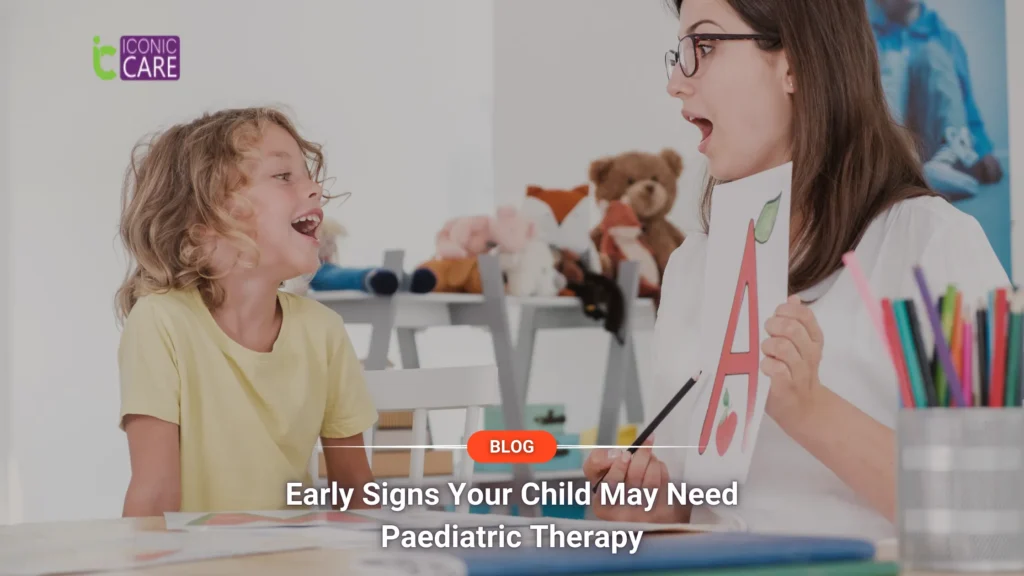
As a parent, you understand your child better than anyone else. From the way they play to how they communicate, every behaviour tells a story. Sometimes, you may notice the early signs your child may need paediatric therapy, such as delayed speech, emotional outbursts, difficulty with daily routines, or challenges at school. These signs do not mean something is “wrong” with your child. They often indicate that your child may benefit from extra guidance and structured support during important developmental stages, helping them build confidence, independence, and essential life skills. Why Paying Attention Early Matters Children develop at different rates, and variations are completely normal. However, when certain delays or difficulties begin to interfere with daily life, learning, social interaction, or emotional well-being, early intervention becomes important. Early support can: Paediatric therapy is not about changing who a child is. It is about supporting how a child learns, communicates, and engages with the world. Early Signs Your Child May Need Paediatric Therapy Recognising the early signs your child may need paediatric therapy allows families to act before small challenges grow into larger obstacles. Some children show one clear sign, while others show a combination across different developmental areas. The earlier these signs are noticed, the more effective and gentle support can be. Speech and Communication Challenges Communication is central to a child’s development. When speech or language is delayed, children may struggle to express needs, connect with peers, or follow instructions. Common early signs include: When communication challenges persist, speech therapy can help children express themselves clearly and confidently. Difficulties With Daily Living and Motor Skills Some children struggle with everyday activities that others seem to manage naturally. You may notice: These signs may indicate challenges with fine motor skills, sensory processing, or planning movements — areas supported through occupational therapy. Behavioural Challenges and Emotional Regulation Big emotions are part of growing up, but some children experience emotions that feel overwhelming or difficult to manage. Possible early signs include: Behaviour therapy helps children develop self-regulation skills while supporting families with practical strategies. Emotional Wellbeing and Anxiety in Children Some children internalise their struggles, making emotional challenges less visible. Signs may include: Child psychology services support emotional well-being by helping children understand emotions and develop healthy coping mechanisms. Movement, Balance, and Physical Development Physical development plays a key role in independence and participation. You may notice: Paediatric physiotherapy supports strength, coordination, posture, and confidence through structured movement programs. Feeding Difficulties and Nutrition Concerns Feeding challenges are often mistaken for picky eating, but persistent difficulties may indicate sensory, motor, or behavioural concerns. Early signs include: Paediatric Dietitian & Feeding Therapy focuses on building positive food experiences and nutritional balance. Age-Wise Signs Parents Often Notice Toddlers (1–3 Years) Preschool Children (3–5 Years) School-Aged Children (5–12 Years) When Multiple Signs Appear Together Many children experience challenges across more than one area. For example: In these cases, families often benefit from integrated Paediatric Therapy Services in Australia, where multiple professionals work together to support the whole child. The Role of a Comprehensive Paediatric Assessment Assessments provide clarity and direction. They help to: Assessments are often the most reassuring first step. What Happens in the First Therapy Session The first session focuses on building comfort and understanding. Typically includes: There is no pressure on the child — therapy is always child-centred. Common Myths Parents Believe About Therapy In reality, early therapy supports development and confidence. How Parents Can Support Progress at Home Parents play a vital role by: Consistency makes a significant difference. Conclusion Recognising the early signs your child may need paediatric therapy empowers parents to act early and confidently. While every child develops at their own pace, challenges that affect communication, behaviour, daily skills, or emotional wellbeing deserve attention. With access to trusted Paediatric Therapy Services in Australia, families can support their children in building independence, confidence, and lifelong skills in a nurturing and supportive environment. Frequently Asked Questions 1. What are the early signs that my child may need paediatric therapy? Early signs may include delayed speech, difficulty with daily living skills, emotional outbursts, sensory sensitivities, poor coordination, or challenges with learning and social interaction. 2. At what age can a child start paediatric therapy? Paediatric therapy can begin at any age, including infancy. Early intervention often leads to better outcomes, as support is provided during key developmental stages. 3. Does paediatric therapy mean something is wrong with my child? No. Paediatric therapy is designed to support development, not label or change a child. It helps children build skills, confidence, and independence at their own pace. 4. How do I know which type of paediatric therapy my child needs? A comprehensive paediatric assessment helps identify your child’s strengths and challenges and determines whether speech therapy, occupational therapy, psychology, physiotherapy, or a combination is recommended. 5. How can parents support their child alongside therapy? Parents can support progress by following therapist guidance, maintaining consistent routines, encouraging skill practice through play, and celebrating small improvements at home.
Paediatric Therapy Services in Campbelltown NSW: Complete Parents’ Guide

Are you looking for the best support for your child’s development? At Iconic Care Group, we understand that every child is unique, with their own strengths, challenges, and potential. That’s why we offer a full range of paediatric therapy services in Australia, designed to support your child’s physical, emotional, and developmental needs. From speech and occupational therapy to behaviour support, physiotherapy, dietitian services, and NDIS assistance, our comprehensive approach ensures your child receives the care they need to thrive. This guide is your complete resource to understand each service, how it can help, and how to access it. Paediatric Therapy Services Paediatric Speech Pathology Effective communication is the foundation of learning and social interaction. Our Paediatric Speech Pathology services help children develop clear speech, language skills, and confidence in communication. Whether your child has delayed speech, articulation issues, or language comprehension challenges, our expert speech pathologists create tailored therapy programs that are engaging and practical for daily life. Key benefits: Paediatric Occupational Therapy Daily activities like dressing, writing, and feeding can be challenging for some children. Our Paediatric Occupational Therapy programs focus on fine motor skills, sensory integration, and daily living skills, helping children gain independence and confidence. Highlights: Behaviour Therapy Managing challenging behaviours can be stressful for families. Our Behaviour Therapy services use Positive Behaviour Support (PBS) techniques to help children develop coping strategies, emotional regulation, and social skills. Why choose behaviour therapy: Child Psychology Services Understanding your child’s emotional and mental health is crucial for overall development. Our Child Psychology Services address anxiety, depression, trauma, and behavioural challenges. Services include: Allied Health & Assessments Paediatric Physiotherapy Our Paediatric Physiotherapy programs focus on gross motor skills, balance, strength, and coordination, supporting your child’s physical development. Benefits: Paediatric Dietitian & Feeding Therapy Nutrition plays a key role in growth and development. Our Paediatric Dietitian Services help children develop healthy eating habits, manage feeding challenges, and meet their nutritional needs. Key features: Comprehensive Paediatric Assessments Our Comprehensive Paediatric Assessments evaluate your child’s development across multiple areas, including motor, cognitive, social, and emotional skills. Benefits: Paediatric Exercise Physiology Exercise plays an important role in developmental health and fitness. Our Paediatric Exercise Physiology services focus on improving strength, coordination, and overall physical wellbeing. Paediatric Podiatry Services Healthy feet support healthy movement. Our Paediatric Podiatry Services ensure proper foot development, correct gait patterns, and prevent long-term musculoskeletal issues. Support & Care Packages Home Care Package Our Home Care Package offers in-home support for children who need assistance with daily routines, therapy, and personalised care plans. Private Services Flexible Private Services allow families to access therapy and support programs outside of funded options, tailored to each child’s unique needs. NDIS Plan Management Managing your NDIS plan can be complicated. Our NDIS Plan Management team simplifies budgeting, funding allocation, and service coordination so you can focus on your child’s growth. Support Coordination Our Support Coordination services help families navigate therapy options, link with providers, and optimise outcomes under NDIS or other funding frameworks. Why Choose Iconic Care Group? Conclusion At Iconic Care Group, we are dedicated to helping every child reach their full potential. From speech and occupational therapy to behaviour support, allied health services, and NDIS guidance, our expert team provides personalised care designed to meet the unique needs of each child. Whether you’re exploring options for your child’s development or seeking ongoing support, our comprehensive Paediatric Therapy Services in Australia ensure that your child receives the highest quality care in a nurturing and supportive environment. FAQs – Paediatric Therapy Services in Australia 1. What are Paediatric Therapy Services in Australia? Paediatric Therapy Services in Australia provide specialised support for children’s speech, occupational, physical, behavioural, and emotional development. These services help children reach their full potential in everyday life, school, and social interactions. 2. How can I determine which therapy is right for my child? A Comprehensive Paediatric Assessment is the first step. It evaluates your child’s strengths and areas for support, helping therapists create a personalised plan tailored to your child’s developmental needs. 3. Are Paediatric Therapy Services available at home? Yes. Many services, including home care packages and therapy sessions, can be delivered in your child’s familiar environment to ensure comfort, consistency, and better engagement. 4. Will my child benefit from therapy if they have autism or ADHD? Absolutely. Our Behaviour Therapy and Positive Behaviour Support programs are designed for children with autism, ADHD, or behavioural challenges, helping them develop coping strategies, emotional regulation, and social skills. 5. How long does it take to see results from therapy? The timeframe varies depending on your child’s age, needs, and therapy type. With consistent sessions and a personalised plan, most children show noticeable improvements in communication, motor skills, behaviour, or emotional wellbeing within a few months. 6. Can Paediatric Therapy Services be funded by NDIS? Yes. Iconic Care Group provides NDIS Plan Management and Support Coordination, making it easy for families to access funded paediatric therapy services while ensuring proper planning and care. 7. What is included in a Comprehensive Paediatric Assessment? A Comprehensive Paediatric Assessment evaluates motor skills, speech and language, behaviour, emotional health, and daily living abilities, helping therapists design a personalised therapy program for your child. 8. How do speech and occupational therapy help my child at home and school? Speech therapy improves communication skills, while occupational therapy supports daily living, motor skills, and sensory integration. Both therapies enhance your child’s confidence, independence, and performance at school and home. 9. How can I book a consultation for Paediatric Therapy Services in Australia? You can book a consultation online or contact us directly. Our team will guide you through the assessment process and recommend the most suitable therapy programs for your child. 10. Why choose Iconic Care Group for paediatric therapy? Iconic Care Group provides multi-disciplinary paediatric therapy services in Australia, delivered by experienced therapists. Our evidence-based programs, personalised plans, and NDIS support make us a trusted choice for parents seeking the best care for their child.